

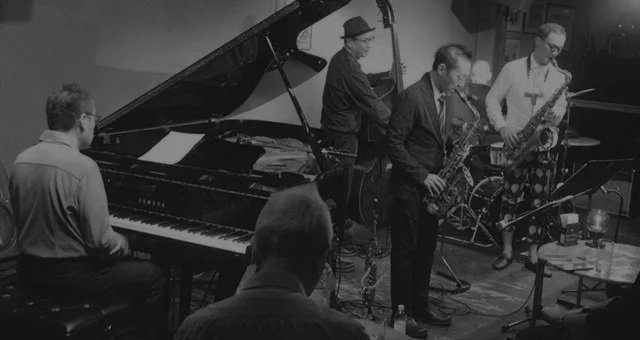
Uniquely 5: Japan’s Finest
Uniquely 5 is an aptly named quintet consisting of some of the baddest musicians not just in Japan, but in the world. Clark Terry used to say the art of improvisation could be mastered in three steps: Imitation, Assimilation, and Innovation. It’s clear when listening to Uniquely 5 that each man has reached the pinnacle of his craft, beyond imitation and assimilation.

Tokyo Jazz Nights at Body & Soul
The Body & Soul jazz club represents the pinnacle of Japanese jazz. Established in 1974 and located in Shibuya, Tokyo, the club has maintained its reputation through decades of beautiful music and intimate ambience.
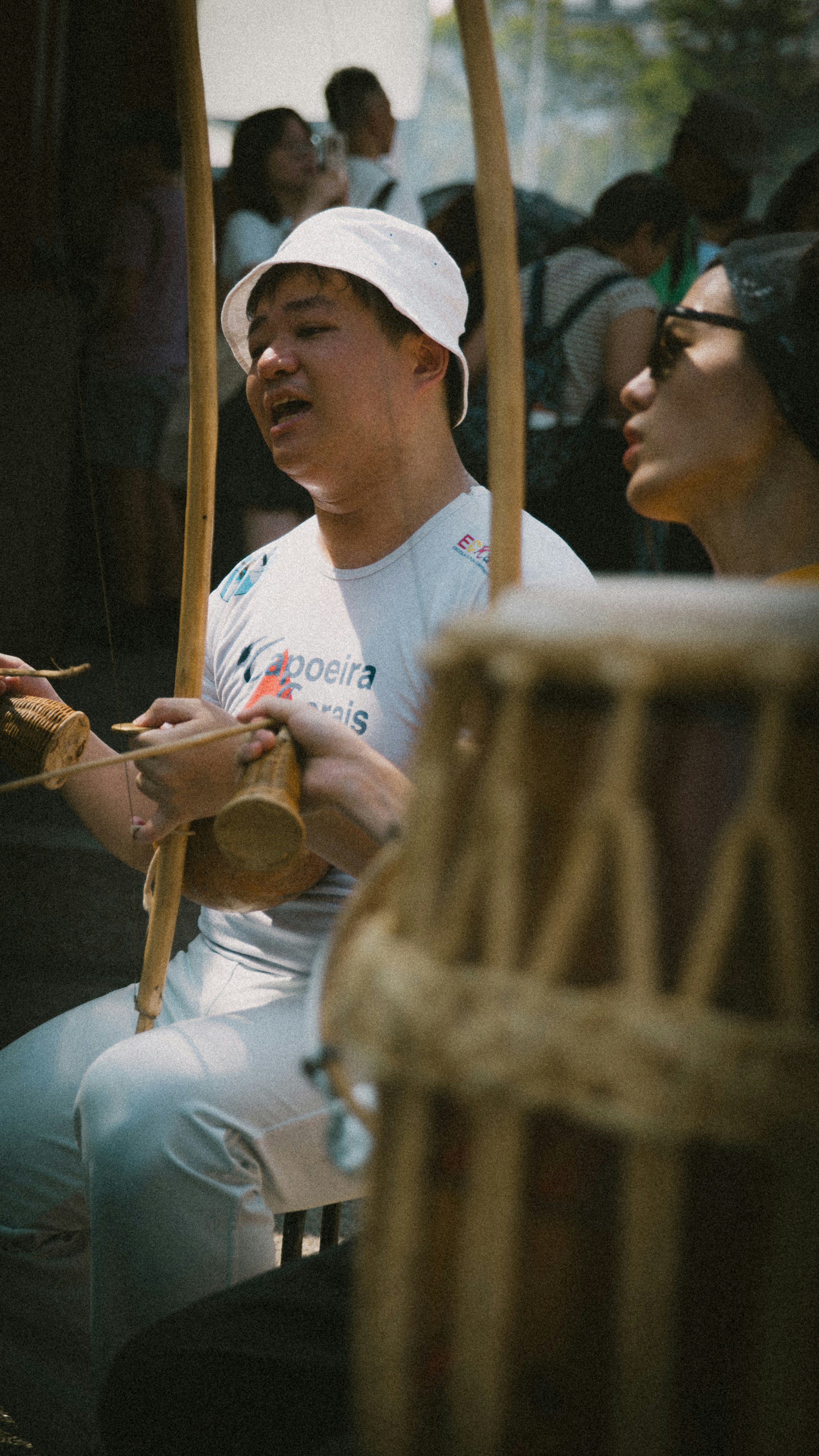
O Jazz Brasileiro: Das Origens à Nova Geração
O Trio Corrente merece destaque especial, estabelecendo novo padrão de refinamento técnico e estético, dialogando diretamente com a tradição do Trio da Paz enquanto projeta linguagem própria para a cena internacional.
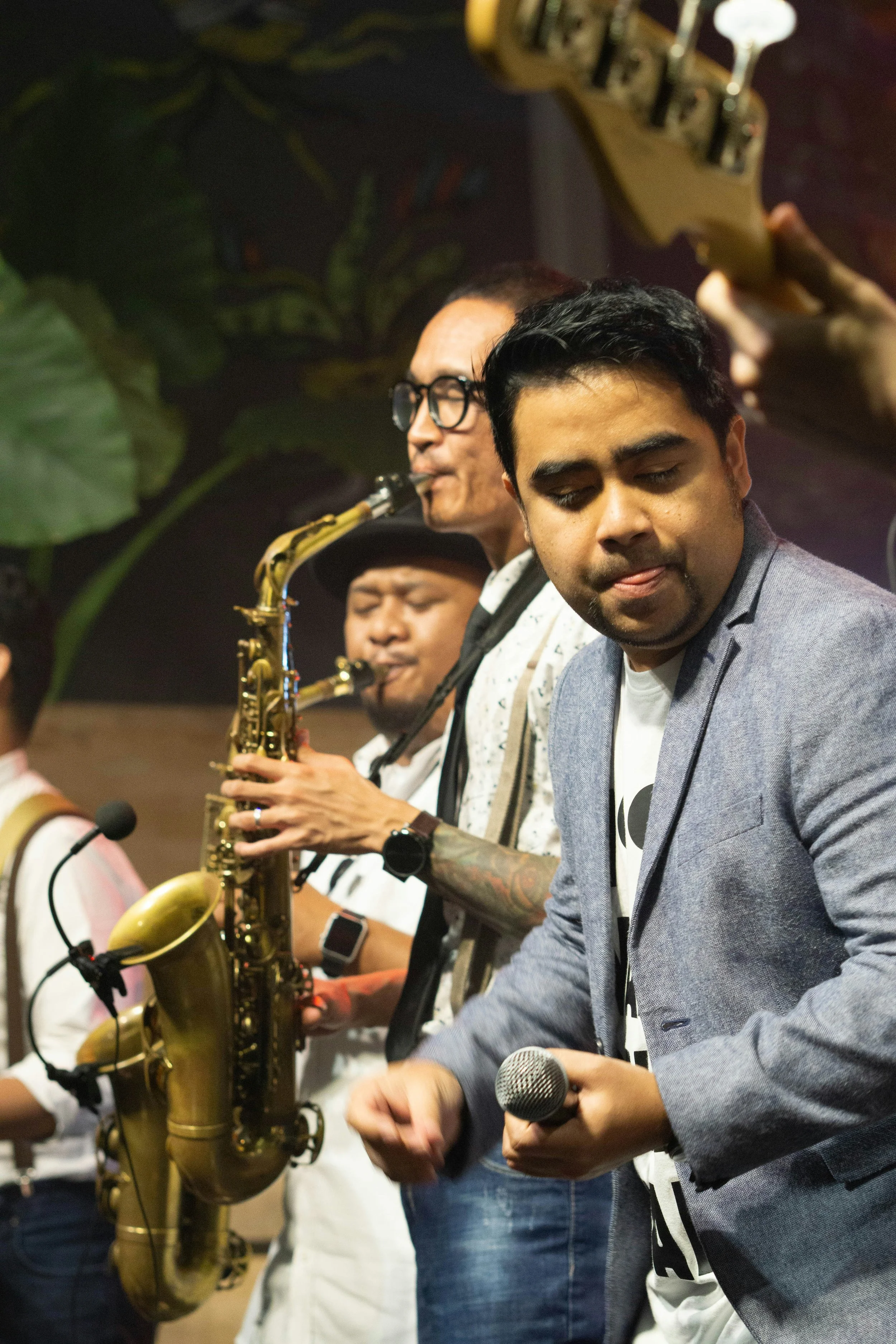
Flamenco Jazz: A Captivating Fusion
Flamenco, an artistic expression deeply rooted in the culture of southern Spain, has transcended its geographic origins to become a significant source of inspiration throughout European music history. Its rich blend of influences — including Romani, Arab, Christian, and Jewish elements — has given it a unique and expressive character that captivated composers far beyond its folkloric sphere.
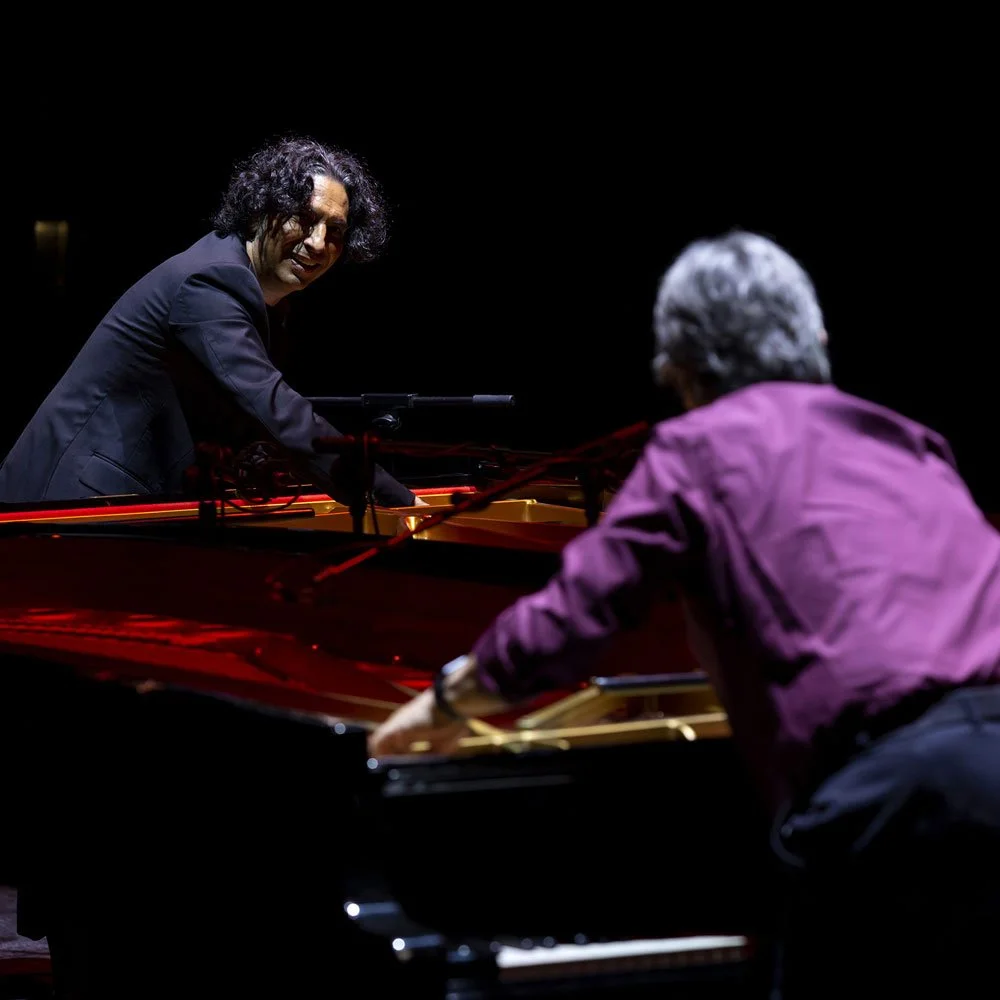
Chano Domínguez & Diego Amador: Piano Pioneers in Flamenco-Jazz
The piano has long occupied a nebulous relationship with flamenco. Going back to the 1700s, traditional flamenco instrumentation consisted primarily of a vocalist, a guitarist, a percussionist, and a dancer. It was not until the late 1940s that pioneers such as Arturo Pavón and Pepe Romero sought to bring the piano into the canon of flamenco music. Today, it is Chano Domínguez and Diego Amador who continue their quest for legitimization.
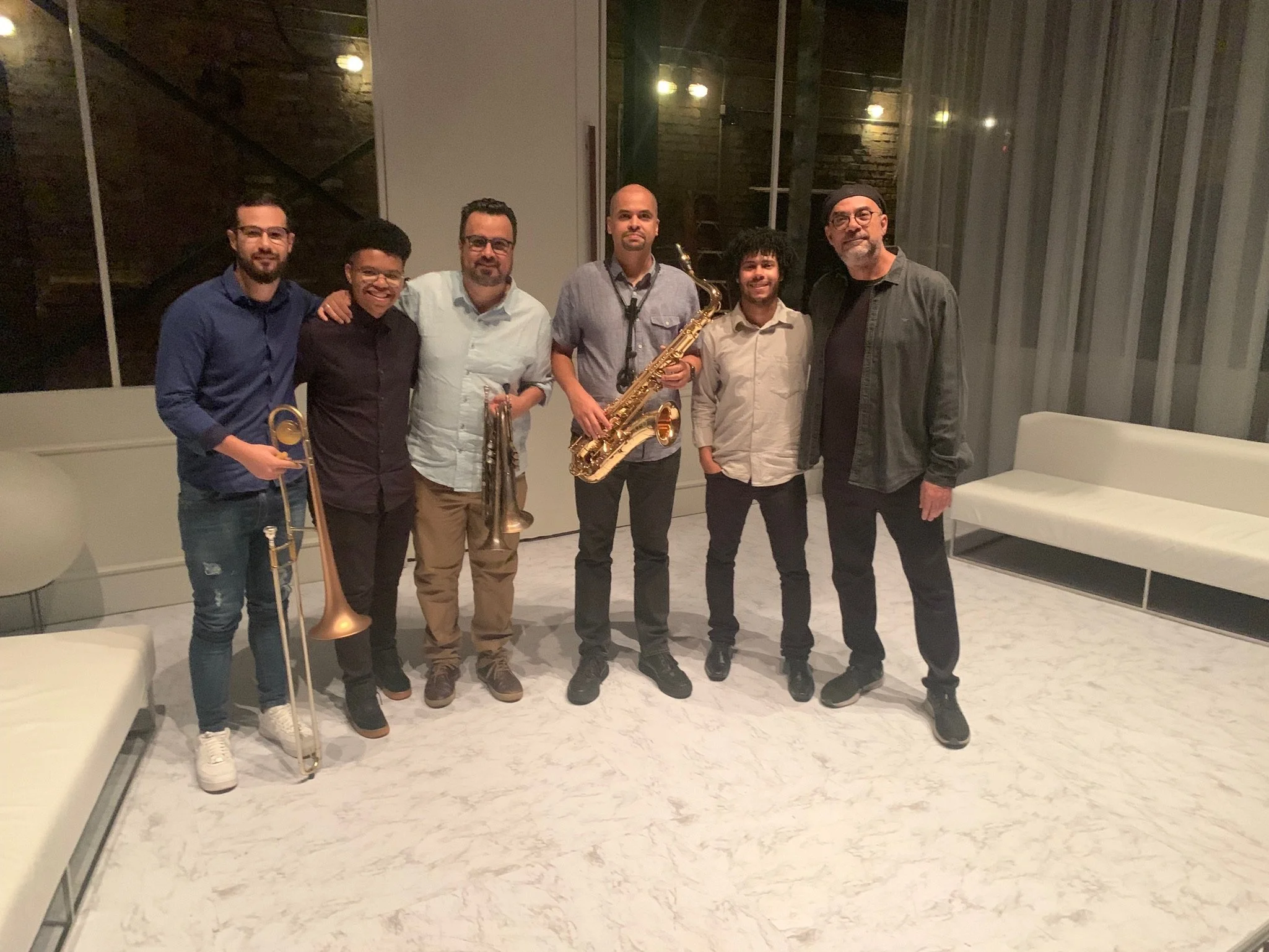
Brazilian Jazz: Novas Vozes, Raízes Sólidas e Diálogo Global
A música instrumental brasileira vive um constante ciclo de renovação. Repertórios se testam ao vivo em clubes e centros culturais, e tradições ganham novas dobras. Para quem vem de fora, a pergunta inevitável é: o que faz esse som soar "brasileiro" sem perder a vocação jazzística da invenção espontânea, da improvisação?

The Soundtrack to the Most Beautiful Time of the Year
Christmas is a season that evokes the spirit of togetherness and celebration and jazz becomes the perfect soundtrack to accompany this time of year. Warm voices, wind instruments, piano, bass, and percussion help decorate that luminous atmosphere that fills people with joy in December. A mix of happiness, love, and nostalgia fills the air, and jazz naturally evokes and embraces those emotions.
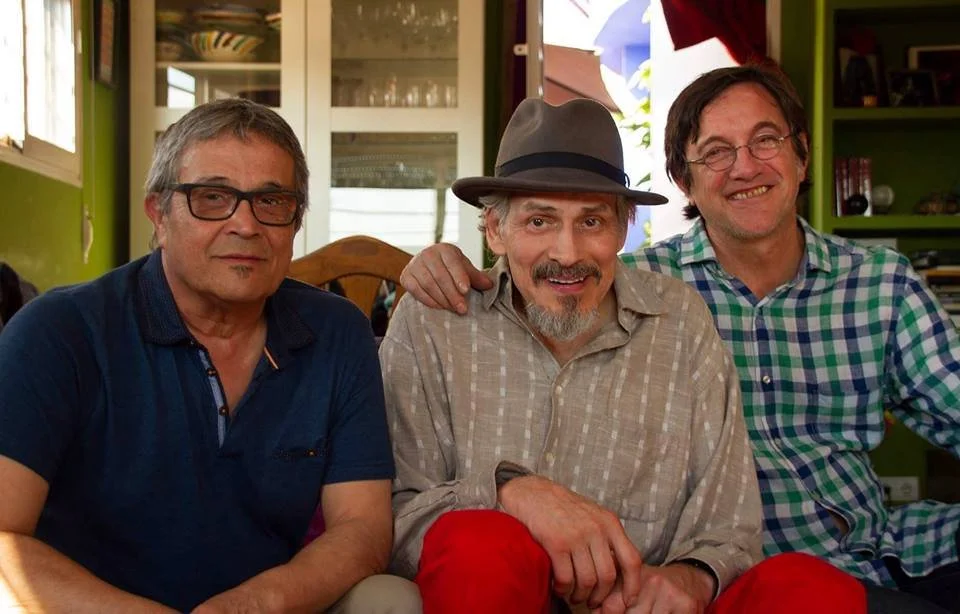
¡Conoce el Flamenco Jazz! - Los orígenes
El Jazz y el Flamenco emergen y se desarrollan con cualidad de vehículo expresivo, a la par que válvula de escape y nexo interno, de sendas comunidades que malvivían sin apenas posibilidad de mejoría, víctimas de un sistema social injusto por naturaleza y directamente racista, que les negaba unos derechos fundamentales: el pueblo gitano y el afroamericano, respectivamente. En ambos casos, tocar, lo mejor posible, la música propia, para solaz de un público blanco bien situado en términos económico-sociales y de cierto gusto estético, representaba una de las escasísimas vías para subsistir con cierta continuidad, aun modestamente. Dentro de estas comunidades, la música irradiaba mediante intensidad cegadora, trascendía a sí misma, significaba más de lo que era, en unas comunidades hermanadas en última instancia mediante una génesis tribal purísima, estricta, cuyas profundas raíces remiten a la denominada “noche de los tiempos”.
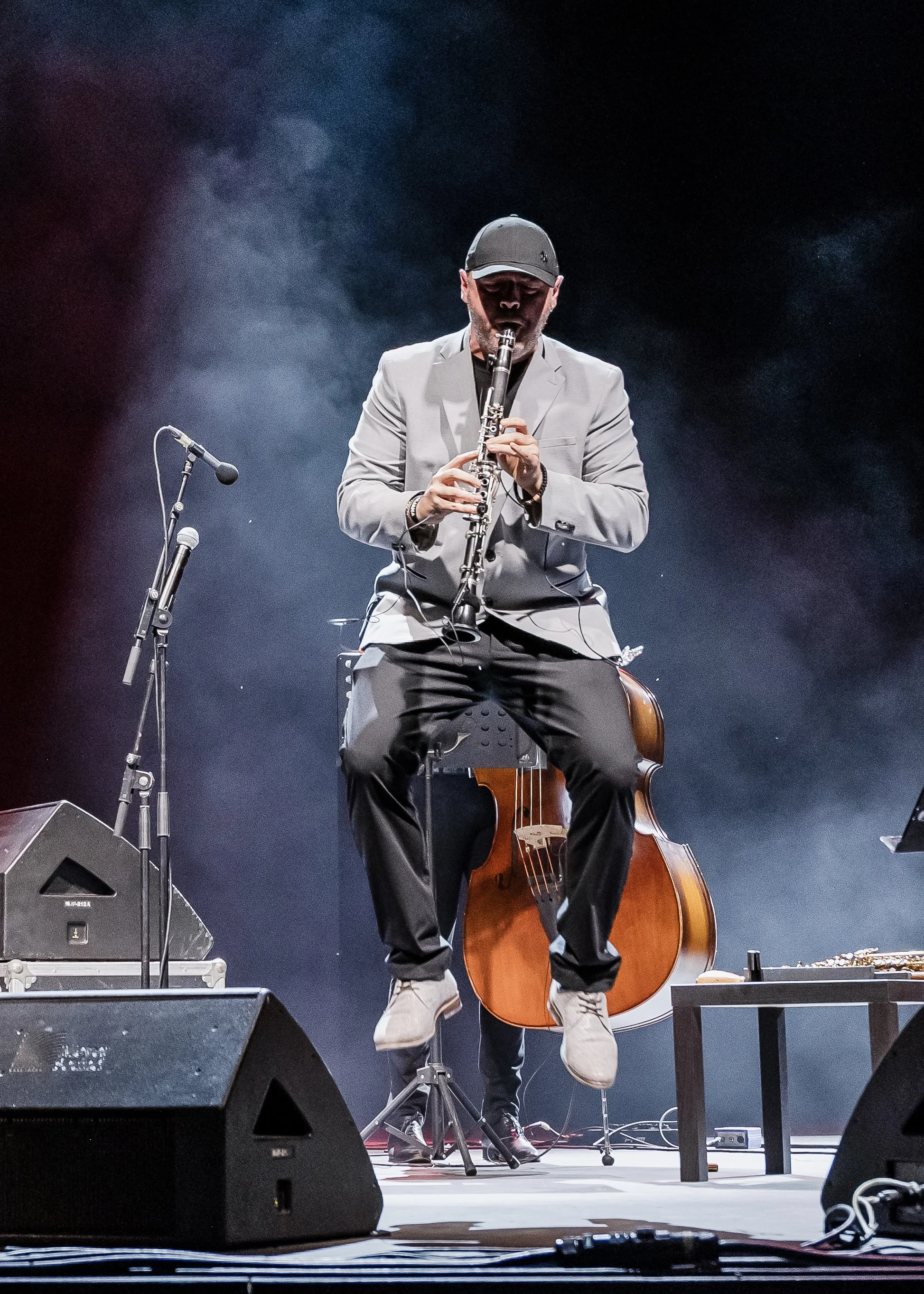
Balkan Nuevo: Jazz and Folk Fusion at Ljubljana
The Ljubljana Jazz Festival, established in 1953, holds the distinction of being the oldest continuously running jazz festival in Europe, representing more than seven decades of European excellence. This longevity speaks to the festival’s key role in the advancement of jazz as both an art form and a cultural force, particularly within Central Europe. It is within this regional and artistic context that Balkan Nuevo—a musical project pioneered by multi-instrumentalist/composer Goran Bojčevski (BOY-chev-skee)—comes into its own.

Laboratórios de proximidade: A Nova Geração da Música Instrumental Brasileira
A música instrumental brasileira vive um ciclo de renovação ancorado em palcos de proximidade em São Paulo, com casas como o JazzB funcionando como verdadeiros laboratórios onde o encontro entre músicos e público molda repertórios, areja a improvisação e atualiza a tradição. A cada noite, formações testam o limite entre escrita e improvisação, e esse teste ganha rosto quando surgem exemplos como o do piano inventivo de Amaro Freitas (em turnês constantes pela Europa e EUA) e de Salomão Soares (presença frequente em festivais internacionais), a guitarra de Pedro Martins (vencedor do Montreux Jazz Guitar Competition) ou os sopros como os de Thiago França (Metá Metá, circulação ampla no exterior), que definem contornos de linguagem que já nascem cosmopolitas.